Expert Tips for Mixing and Matching Flooring Styles in Your Home Mar 28, 2026
Understanding Your Space
Before diving into different flooring options, it's crucial to understand the space you're working with. Consider the room's size, the amount of natural light it receives, and its function. For example, a small room might benefit from lighter tones which can create the illusion of space, whereas a larger room with abundant natural light can accommodate a mix of darker flooring options without feeling cramped.
Complementary Color Schemes
Color plays a pivotal role in mixing and matching flooring styles. Opt for complementary color schemes that tie the different elements together. If you have wood flooring in your dining room, consider a lighter or darker tone in an adjacent kitchen to create a visual break while maintaining continuity. TH Flooring recommends using color wheels to determine which shades harmonize best, lending a cohesive look to open-plan spaces.
Transition Creatively
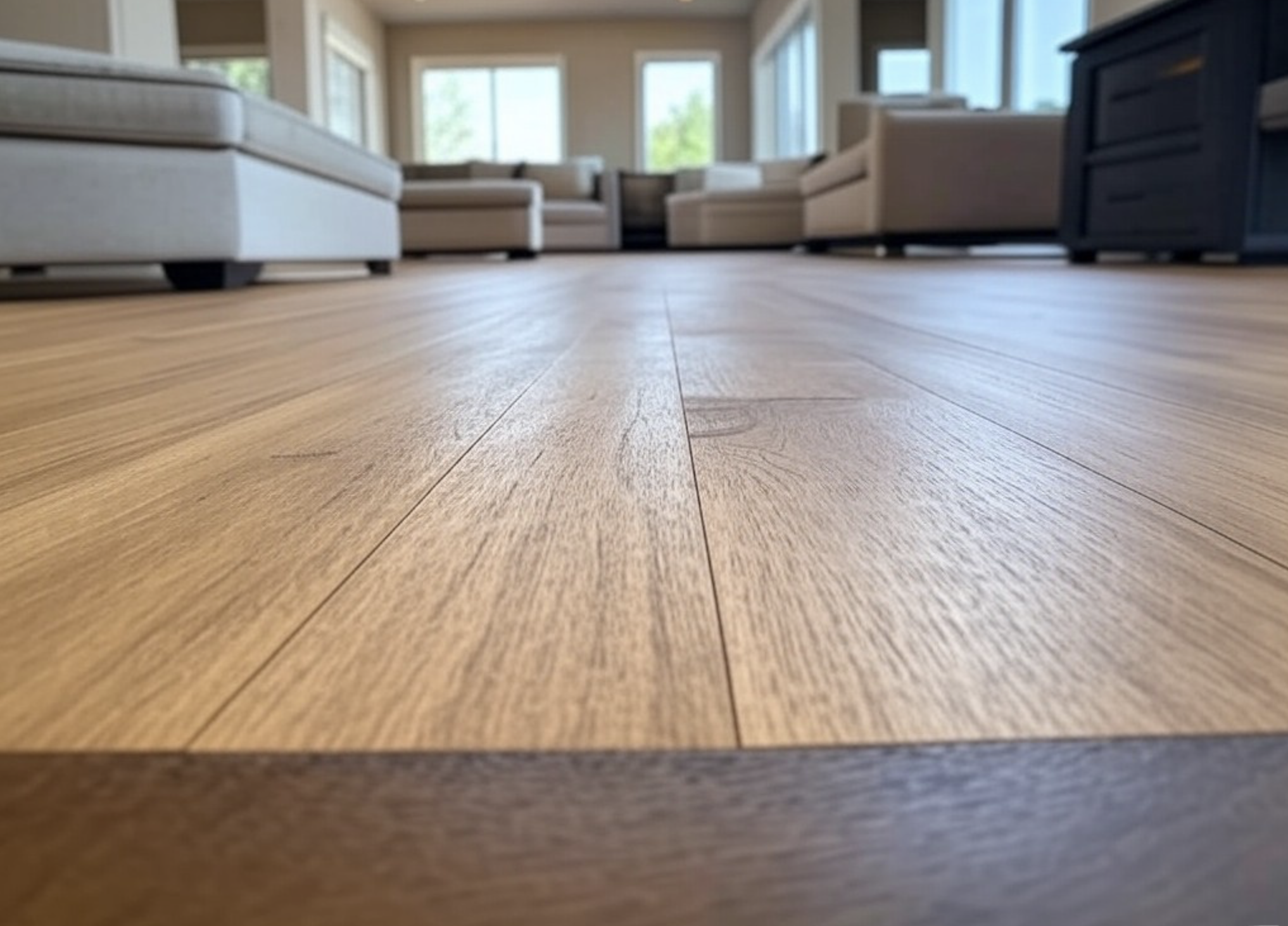
Transitions are key in flooring, particularly where two styles or materials meet. Creative transitions can transform potential design mishaps into striking focal points. Use borders, transition strips, or even creative tile patterns as bridges between different flooring types. For instance, a tile medallion can beautifully transition from a wood floor to a tile floor, providing not only a functional division but also a distinct decorative element.
Balancing Textures
Texture can dramatically impact the feel of a room and its aesthetics. Combining textures such as rough tiles and smooth hardwood creates visual interest while setting different areas apart. Balance these textures carefully, ensuring that one doesn't overpower the other. At TH Flooring, experts suggest using textures that not only contrast but also complement each other to enrich your home's ambiance.
Consider Room Uses
Take into account the practicalities of each room. High-traffic areas such as hallways and entryways require durable flooring that can withstand wear and tear, while comfort might be prioritized in living rooms or bedrooms. A plush carpet paired with sleek hardwood can elegantly separate spaces, highlighting the functional and aesthetic benefits of each material.
Experiment with Patterns
Patterns can add an additional layer of depth and style to your flooring design. Herringbone or chevron patterns in wooden flooring bring an elegant touch to any room, while patterned tiles can inject a playful vibe. By selectively mixing patterns, you can create a diverse yet coherent design statement. TH Flooring can assist you in choosing patterns that align with your vision and the architecture of your home.
Bringing it All Together
Successfully mixing and matching flooring styles requires a thoughtful approach and an eye for detail. By focusing on color schemes, transitions, textures, and room functionality, you can create seamless connections between different flooring types. Always remember that professional flooring consultants like those at TH Flooring can offer invaluable advice tailored to your specific needs, ensuring your flooring project enhances your home beautifully.
Consulting with experts not only brings a professional touch but also helps in avoiding potential pitfalls. With these expert tips, you can revamp your space, illustrating your unique style while maintaining a harmonious home environment. Whether you're renovating an entire floor or just updating a room, mixing and matching flooring styles can be a rewarding endeavor that showcases your design flair.
/filters:no_upscale()/filters:format(webp)/media/ab690aad-0618-4bb1-8d16-e1443d2e9776.jpeg)