Blog
Flooring for Health: Choosing Allergen-Resistant Flooring Options
Indoor allergens such as dust, mold, and pet dander can cause discomfort and worsen respiratory issues. Thus, the type of flooring you choose can significantly impact air quality. Hard surfaces tend to be better for allergy sufferers because they do not trap allergens like carpets do. But, which flooring options are best when it comes to minimizing allergens?
Hardwood flooring is a timeless choice not just for its beauty and durability, but also for its hypoallergenic properties. Because hardwood has a smooth, non-porous surface, it does not harbor dust mites, pollen, or pet hair. Instead, these potential allergens rest on the surface and can be swiftly swept or vacuumed away. Opting for a finished hardwood surface, preferably with non-toxic sealants, adds an extra layer of protection against allergens.
Next on the list is tile flooring, especially ceramic or porcelain tiles. Tile is another excellent allergen-resistant option, perfect for kitchens, bathrooms, and other high-moisture areas prone to mold growth. Its non-absorptive nature makes it easy to clean and less likely to attract dust and dirt. For those with allergies, regular grout cleaning and sealing can also help in maintaining a spotless, allergen-free environment.
Luxury vinyl flooring has emerged as a versatile and popular option for allergy-conscious homeowners. Advances in vinyl planks and tiles have made them not only look like real wood or stone but also excellent in repelling allergens. They are waterproof, and easy to maintain, and some are manufactured with antimicrobial properties that inhibit the growth of mold and bacteria.
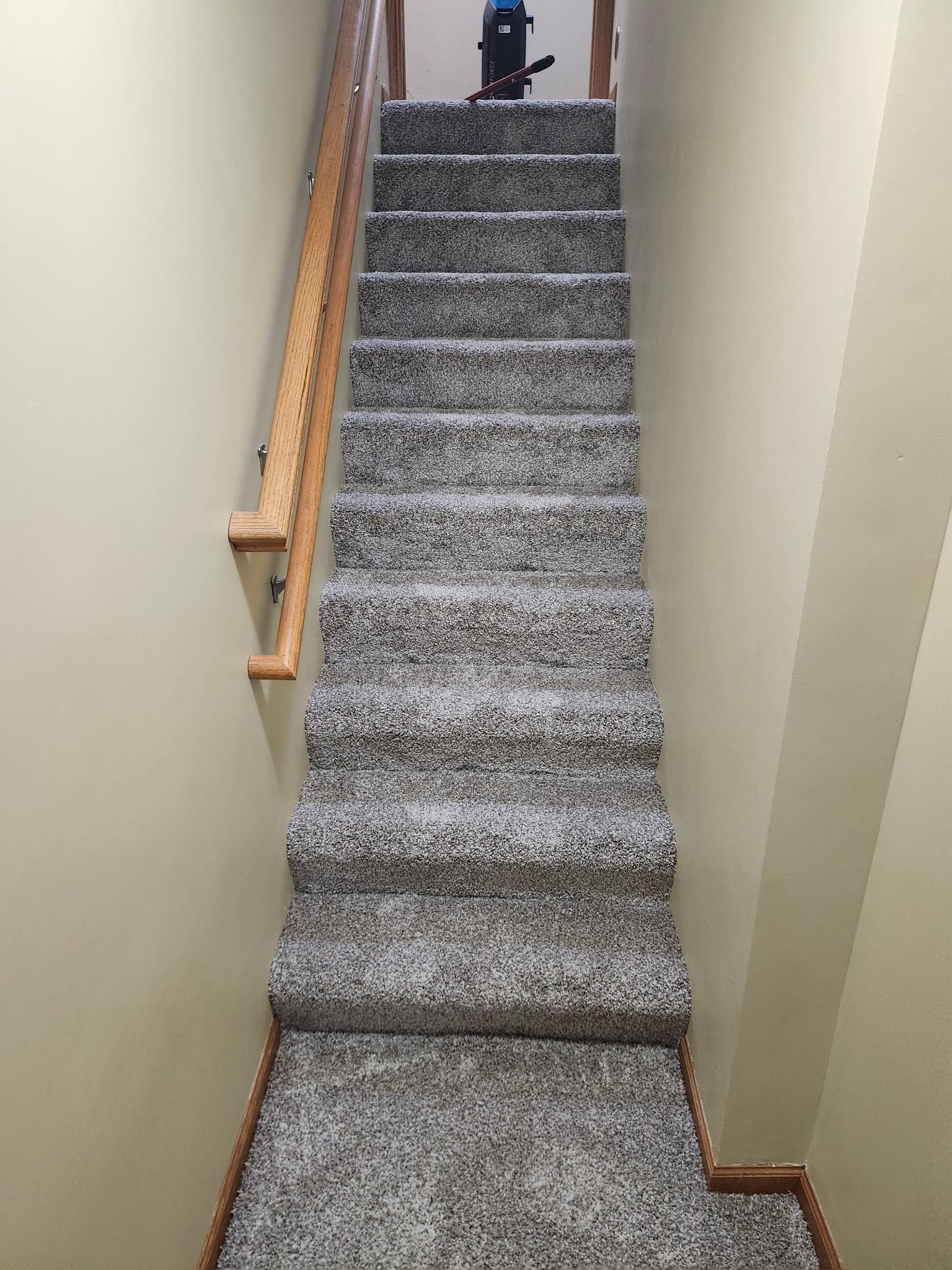
For those who desire a softer surface, low-pile carpets made from natural fibers like wool are a better alternative to traditional carpeting. Wool fibers are naturally more resistant to dust mites and mold, and if treated with chemical-free dyes, they are eco-friendly and safer for allergy sufferers.
When selecting allergen-resistant flooring, it’s essential to consider maintenance routines. Regular cleaning is a vital aspect of keeping allergens at bay, regardless of the flooring choice. Use a vacuum with a HEPA filter and a damp mop or microfiber cloth to eliminate allergens effectively without spreading them back into the air.
In conclusion, choosing the right allergen-resistant flooring is crucial for creating a healthier living space. With options ranging from hardwood to tile and luxury vinyl, TH Flooring is dedicated to providing flooring solutions that meet both your style and health needs. By investing in the right flooring, you can significantly reduce indoor allergens and enhance the quality of life for you and your loved ones. Remember, maintaining a regular cleaning schedule will further ensure your home remains an inviting, allergen-free haven. If you need expert advice on the best flooring choices for your needs, our team at TH Flooring is here to help you every step of the way.